
If you’ve ever searched for the best blender for smoothies, you’ve probably realized pretty quickly that there are a lot of options out there – and they all claim to be the best. I get asked this question all the time: What blender do you use? Is it really worth it? And do I need to spend that much?
So in this post, I’m going to walk you through my honest answer based on over a decade of making smoothies at home. I’ll share the exact blender I’ve been using since 2013, why I still use it today, and a few other options that I think are worth considering depending on your budget.
If smoothies are something you want to make part of your routine, then choosing the right blender really does matter – and, whether you’re just getting started or looking to upgrade, I’ll help you figure out exactly what to look for.
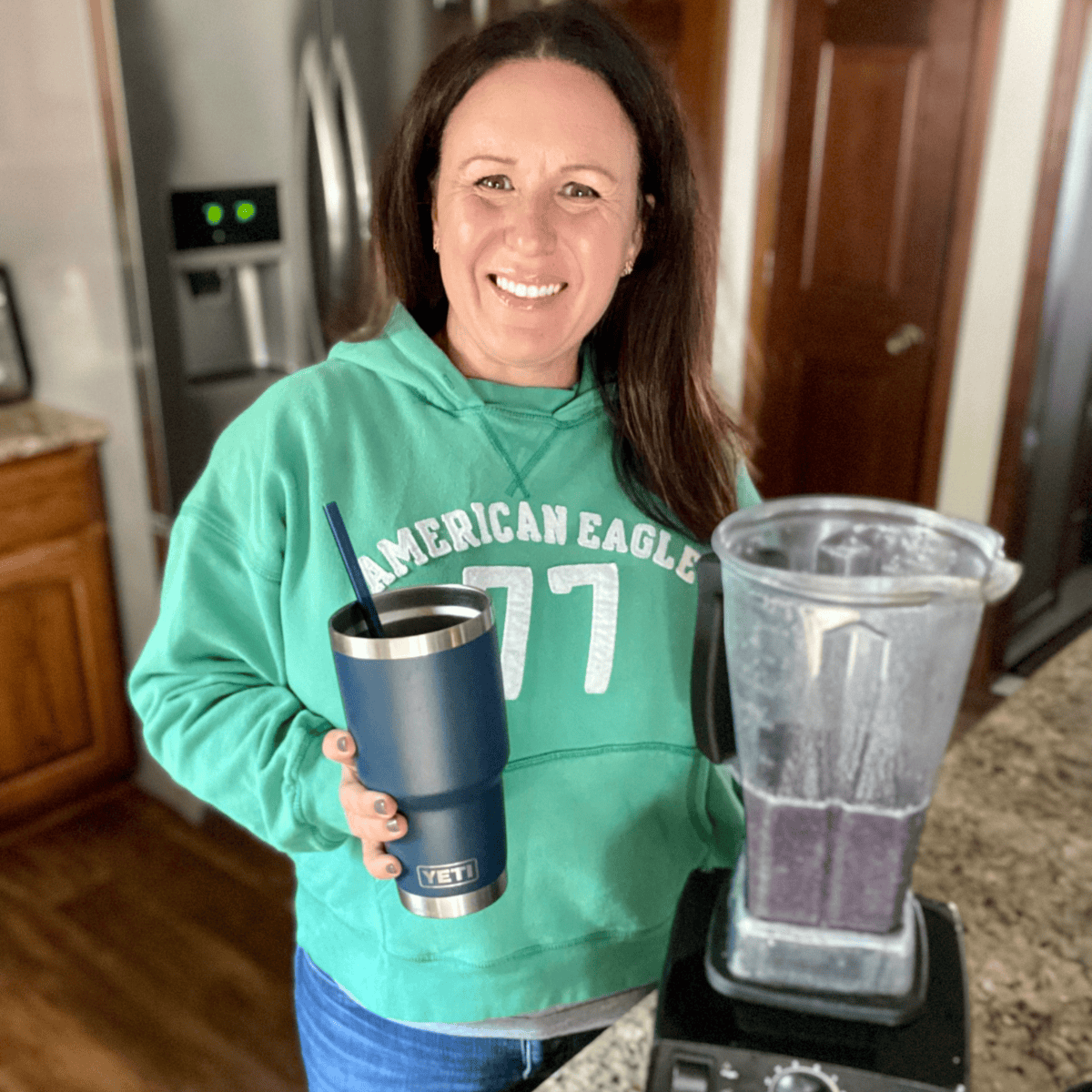
This post may contain affiliate links, please see my affiliate disclaimer.
Quick Look: Best Blenders for Smoothies
- Best Overall (Long-Term Investment): Vitamix
- Best Mid-Range Option: Ninja Professional
- Best Alternative to Vitamix: Blendtec
A decade of blending smoothies!

I made my first smoothie recipe back in 2013, and since then, it’s become a regular part of my life – and my family’s too. Between myself, my husband, and my girls, I make smoothies all the time. On average, I’d say we go through about 8–10 smoothies a week, sometimes even more.
That adds up to a lot of blending over the years.
Smoothies were a game-changer for me. They’re one of the easiest ways to pack in nutrition, especially when life gets busy. If you want to learn more about how smoothies have impacted my life, I share more in another post about the benefits of smoothies. And when you’re making them this often, having a blender that actually works (and doesn’t break) makes a big difference.
That’s why I want to focus specifically on choosing the right blender. I get a lot of questions from readers about this – Which one do I use and recommend? Is one better than another? Is there a good budget-friendly option?
With all of my smoothie-making experience, I feel confident sharing tips and advice to help you choose the best blender for smoothies.
Enjoy,

What is the Best Blender for Smoothies
I want to dive right into my number one blender pick for smoothies – and that is Vitamix.
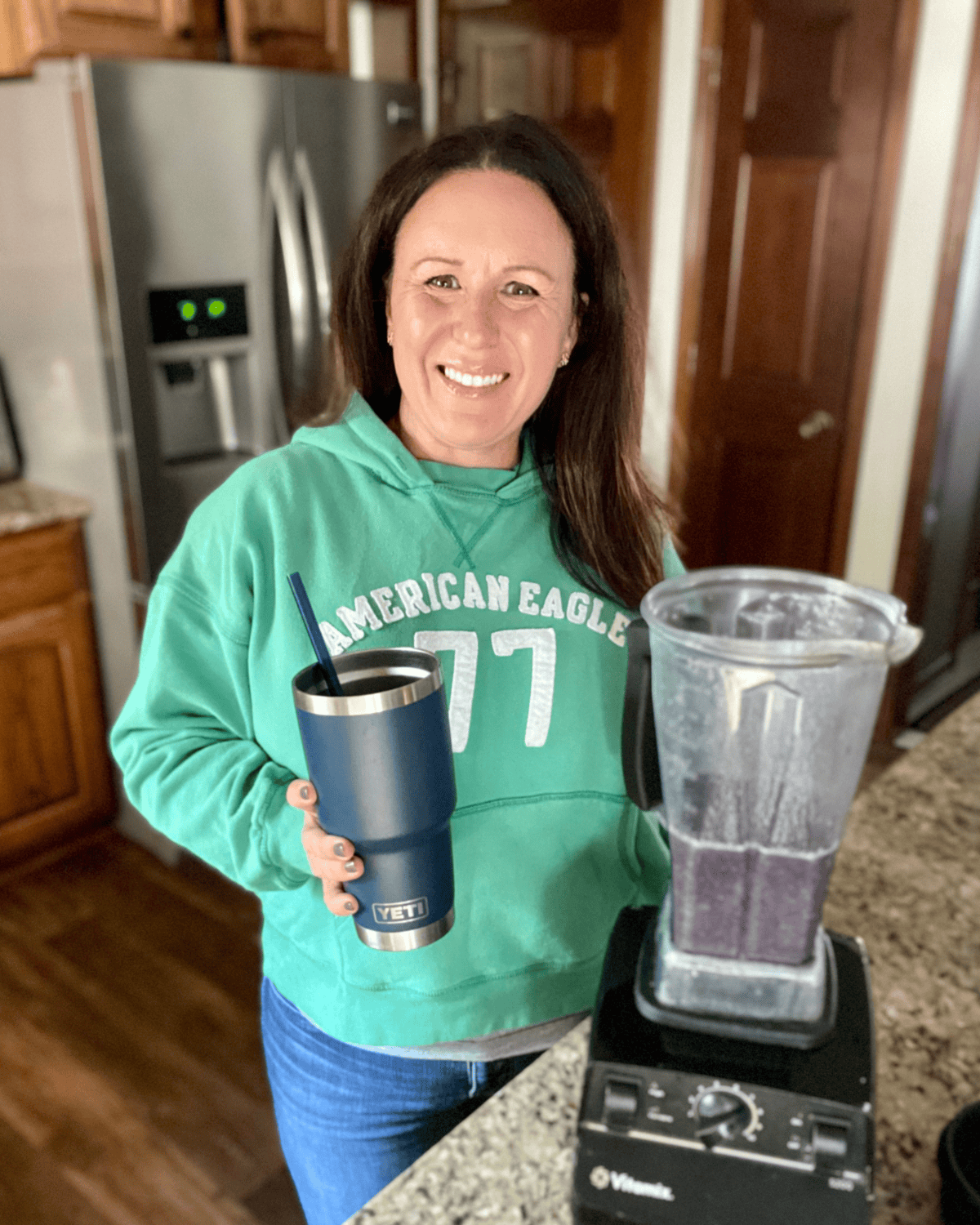
I purchased my Vitamix back in 2013, and I should really say my first and only Vitamix, because I’m still using that exact same blender today. At the time of writing this, that’s 13 years of almost daily use, and not once has it failed me.
It has never struggled to crush frozen fruit, blend ice, or fully incorporate greens into a perfectly smooth smoothie. Every single time, it delivers a smooth, consistent result.
And honestly, that alone is the number one reason I recommend it. If you’re planning to make smoothies a regular part of your routine, you want something reliable – and my Vitamix has proven that over and over again for more than a decade.
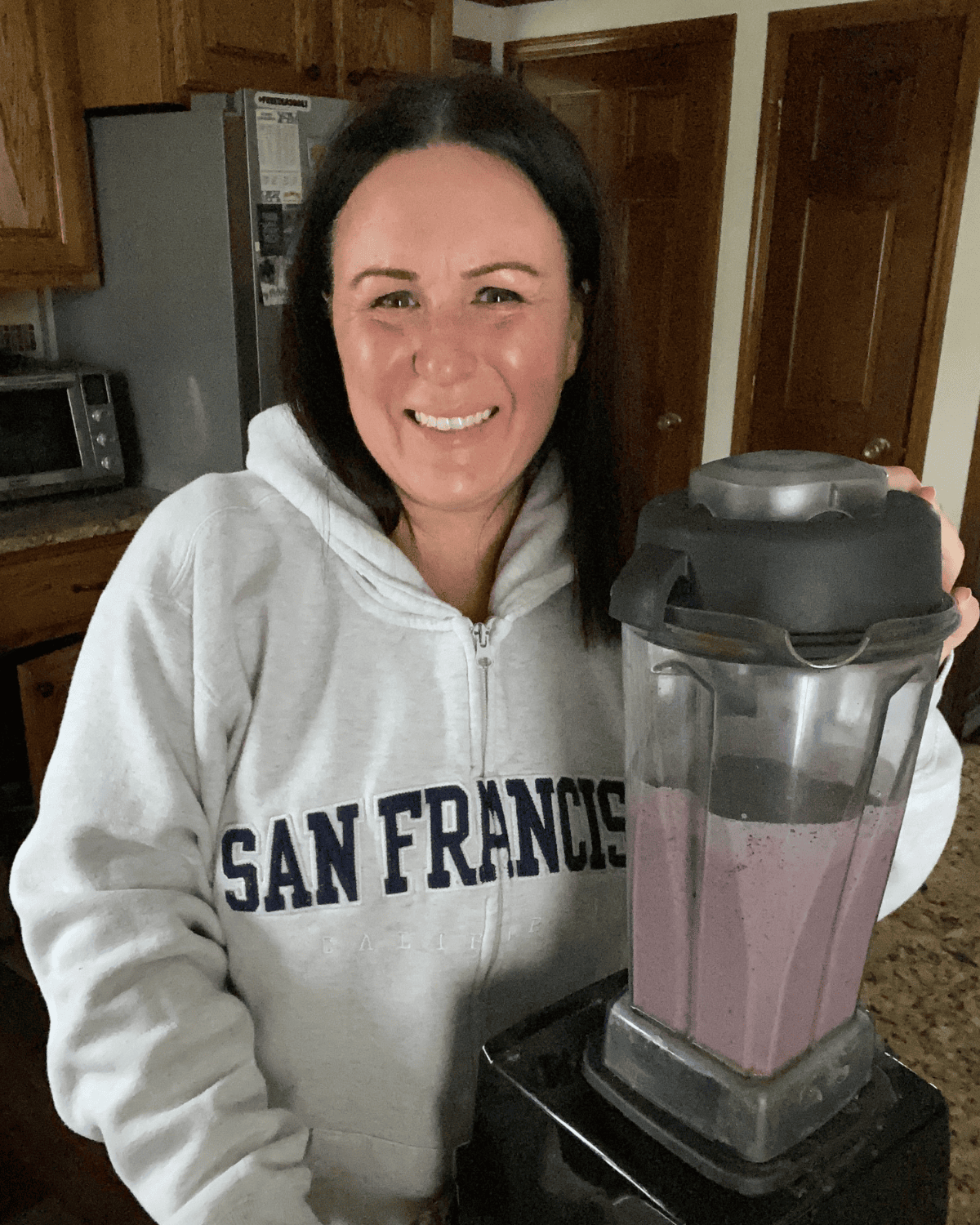
Why I Personally Recommend Vitamix
Before I invested in my Vitamix, I went through three different lower-cost blenders. None of them could handle frozen fruit or greens properly, and the motors would burn out quickly – sometimes within a month.
That’s what finally pushed me to take the leap and purchase the Vitamix 5200.
Looking back, it was easily one of the best purchases I’ve ever made. It’s by far the most used small appliance in my kitchen. I use it almost every single day to make smoothies for myself, my husband, and my kids.
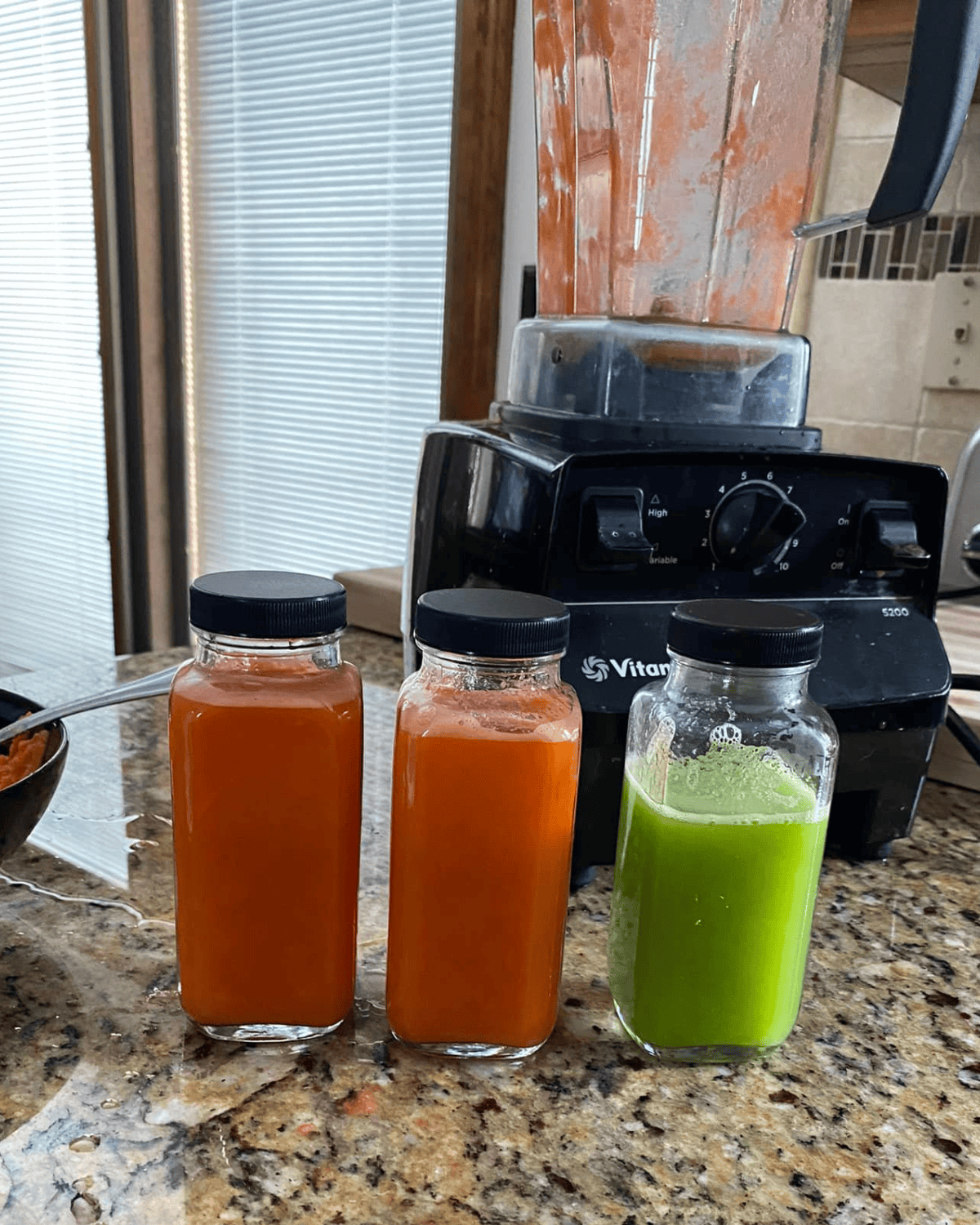
And it’s not just for smoothies. Over the years, I’ve also used it to make:
- Juice recipes
- Nut butters
- Pesto and sauces
It’s incredibly versatile, but most importantly – it just works, every time.
Let’s Talk About The Cost Of a Vitamix
When I bought my Vitamix, I paid just over $500, which felt like a huge investment at the time – and honestly, it still is.
But when you break it down over 13 years, that comes out to roughly:
- About $38 per year
- Just over $3 per month
For something I use almost daily, that’s more than worth it.
And here’s the thing – I’ve actually thought about upgrading to a newer model over the years. But I haven’t, because my current Vitamix still works exactly as it did the day I bought it – in 2013!!
What About the Current Vitamix Models?
The model I originally purchased (the 5200) is now considered part of their “legacy” or “classic” line.
The newer version of this is the Vitamix VX, which is essentially an updated version of what I own.
Right now, it’s priced around $379, which is actually less than what I paid 13 years ago – and it’s just as powerful, if not more, thanks to improvements over time.
It also comes with a 5-year warranty, with the option to extend it even longer.
Vitamix does offer other models, like the Ascent series, which include more advanced features and technology. But in my opinion, those extras aren’t necessary for most people.
If your goal is simply to make smoothies consistently, then a basic, classic Vitamix model is more than enough and will last you for years.
The only minor downside – and I wouldn’t even call it a complaint – is that the container is on the taller side.
For some people, that could be an issue when it comes to storage under cabinets. I personally have a spot where mine fits perfectly, so it hasn’t been a problem.
But the good news is that newer Vitamix models now offer shorter, wider containers, which are much easier to store.
Final Thoughts on Why I Recommend Vitamix
If smoothies are going to be part of your daily routine, I strongly recommend investing in a Vitamix. Especially, if you need the best blender for frozen fruit.
It’s a high-quality blender, it comes with a solid warranty, and most importantly – it’s built to last.
And I can say that with complete confidence because I’ve been using the same one since 2013 – almost every day to blend frozen fruit – and it continues to be the best blender for frozen fruit without a single issue.
If you’re not sure a Vitamix is the right fit for you, don’t worry – I’ll walk through a few other blender options next, along with some key questions to help you decide before you buy.
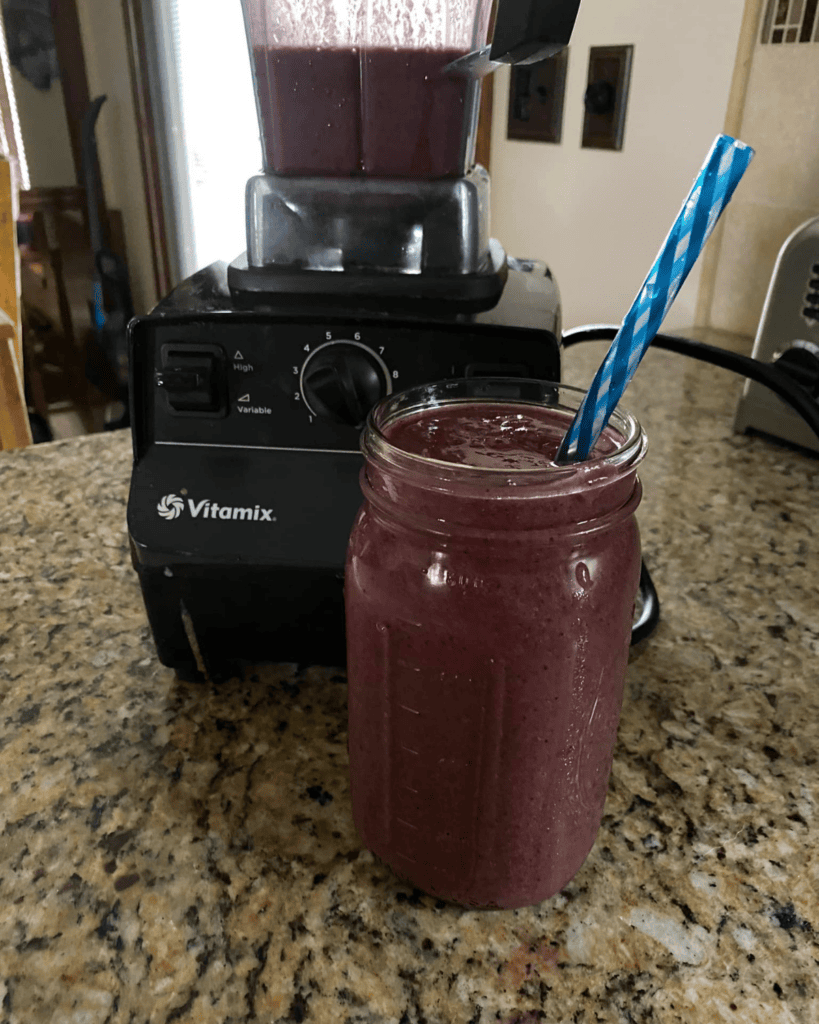
Questions to Ask Yourself Before Buying a Blender
If you plan to make smoothies a regular part of your routine, investing in a quality blender is important. It might seem like any blender will do the job, but in my experience, that’s not the case- quality really does matter.
Before you purchase a blender, here are a few key questions to ask yourself to make sure you’re choosing the right one.
- Will I Use It Often? If you’re planning to make smoothies daily or several times a week, you’ll want a blender with a strong, durable motor that can handle frequent use. Like any appliance, the more you use it, the more wear and tear it will experience. Higher-quality blenders are designed to handle that kind of consistent use and will last much longer. On the other hand, if you’re not sure how often you’ll use your blender or only plan to make smoothies occasionally, you may not need to invest in a high-powered model right away.
- Can It Crush Ice and Frozen Fruit? This is a big one. While most blenders claim they can crush ice and frozen fruit, not all of them do it well. Lower-quality blenders often struggle, which means you’ll have to stop, stir, or blend in batches. Crushing ice and frozen fruit also puts a lot of strain on the motor. If your blender isn’t built for it, it can wear out quickly. If smoothies are going to be a regular part of your routine – especially with frozen ingredients – choosing the best blender for frozen fruit is something you definitely want to prioritize.
- Does It Blend Smoothly? A good smoothie should be completely smooth – no chunks, no pieces of spinach or kale, and no gritty texture. One of the most common complaints I hear is that blenders leave behind bits of greens or fruit, especially in green smoothies. Not only does that affect the texture, but it also makes the smoothie much less enjoyable to drink. If your blender can’t fully blend ingredients into a smooth consistency, it’s going to be harder to stick with making smoothies long-term.
- Will It Last? This is one of the most important questions to ask. Think of your blender as an investment – not just in your kitchen, but in your health and daily routine. You want something that will hold up over time, not something you’ll need to replace after a few months. While lower-priced blenders might seem like a good deal upfront, they often don’t last with regular use. Spending a little more on a high-quality blender can actually save you money in the long run.
- Does It Come With a Warranty? In other words – does it come with a guarantee?Most blenders include some type of manufacturer warranty, but the length and coverage can vary a lot. Some only last a few months, while others cover several years. In general, higher-quality blenders come with longer warranties, which is a good sign that the company stands behind their product. If you’re planning to use your blender regularly, having a solid warranty can give you peace of mind and protect your investment.
Best Blenders for Smoothies with Frozen Fruit (Other Recommendations)
To make this as helpful as possible, I didn’t just rely on my own experience. I also polled my community through my Facebook group and email list, asking readers to share their experiences with blenders for smoothies – especially when blending frozen fruit. The insights below reflect that combined feedback and real-life use.
When I first started drinking smoothies back in 2013, I used a basic $40 blender from Target. At the time, I thought that was all I needed.
After using it maybe 5–7 times, the motor completely stopped working. Even before that, it struggled to chop frozen fruit and blend everything into a smooth smoothie. I was constantly left with chunks of spinach and fruit, and honestly, it just wasn’t enjoyable to drink – which made it harder to stick with the habit.
Unfortunately, I didn’t learn my lesson right away. I went through three different $40 blenders before realizing I needed something with a more powerful motor.
You might hear people say that a basic blender is totally fine, but I personally disagree – especially if smoothies (with frozen fruit) are going to be part of your daily routine. In that case, I strongly recommend investing in a higher-quality blender, even if it’s not a Vitamix.
Ninja Professional
The next blender I purchased was the Ninja Professional, and I’d consider this more of a mid-range option at around $100–$120.
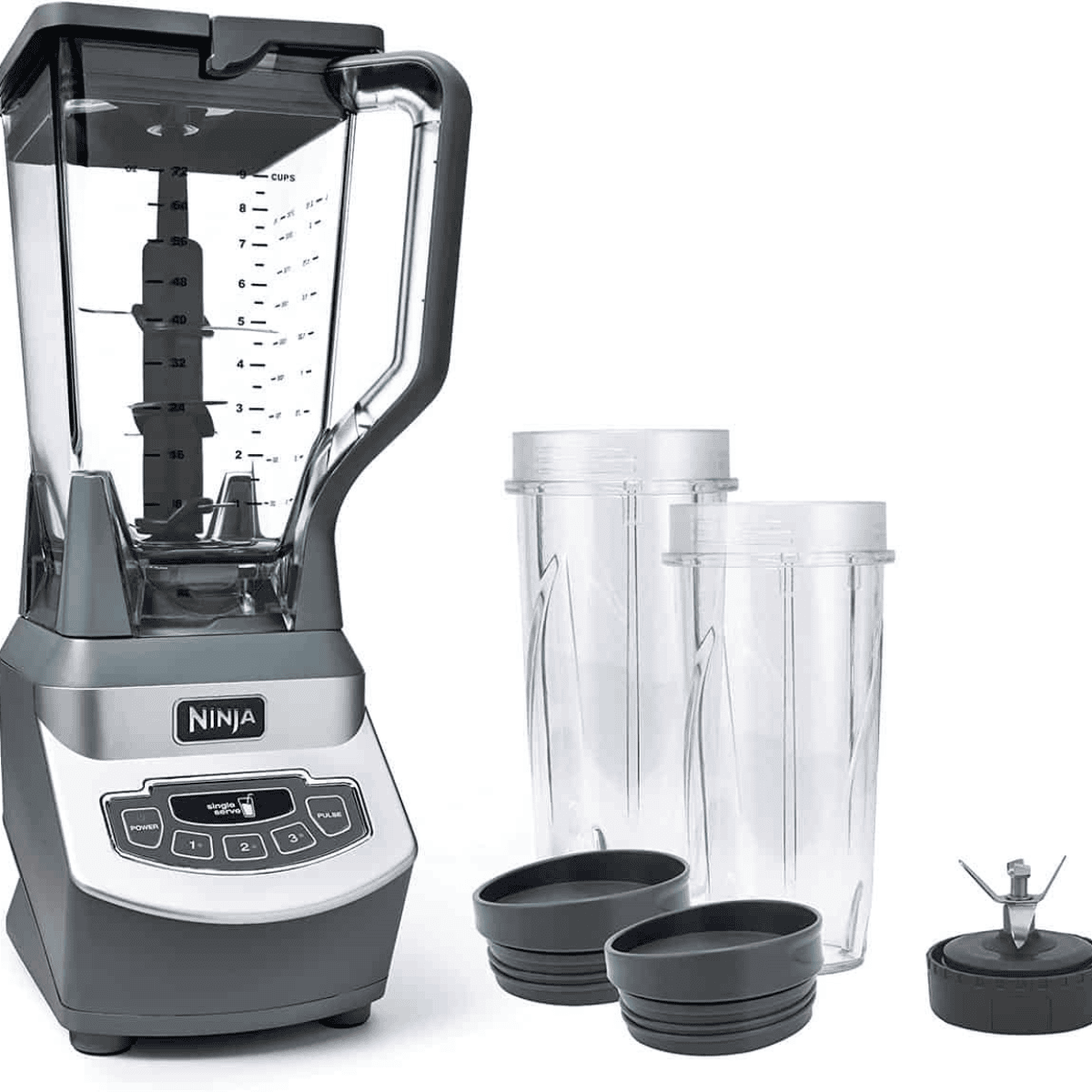
Compared to the cheaper blenders I had used before, this was a huge upgrade. It did a much better job crushing ice and frozen fruit and blended ingredients together much more smoothly.
The one thing I didn’t love was the cleaning process. The blades run up the center of the container, which made it feel a little awkward – and honestly, a bit unsafe – to clean. That’s just my personal opinion, but I will say this: if a blender is difficult to clean, it definitely makes me less likely to use it regularly.
Next to Vitamix, Ninja is actually one of the most popular blenders among my readers.
Worth the Money
Overall, Ninja blenders tend to give you the most bang for your buck. There are several options available, from full kitchen systems (with added features like food processors) for under $200, to smaller personal blenders like the Nutri Ninja Pro for under $60.
Blends Well
Most readers say the Ninja does a great job blending smoothies without leaving chunks of fruit or greens. One small downside is that when making larger batches, it can struggle a bit with big amounts of frozen ingredients, so you may need to blend in batches.
Cleaning the Blades
This came up more than once – similar to my experience, some people find the blade design a little tricky to clean. Not a dealbreaker, but definitely something to consider.
Longevity
Many readers have had their Ninja blenders for 3+ years, which is solid for this price point. Of course, that may vary depending on how often you’re using it.
Warranty
Most Ninja blenders come with a 1-year limited warranty. This is important to note because it typically only covers defects – not normal wear and tear.
My Opinion
I think Ninja is a great value, especially if you’re not ready to invest in a higher-end blender yet. Shop Ninja on Amazon.
Blendtec
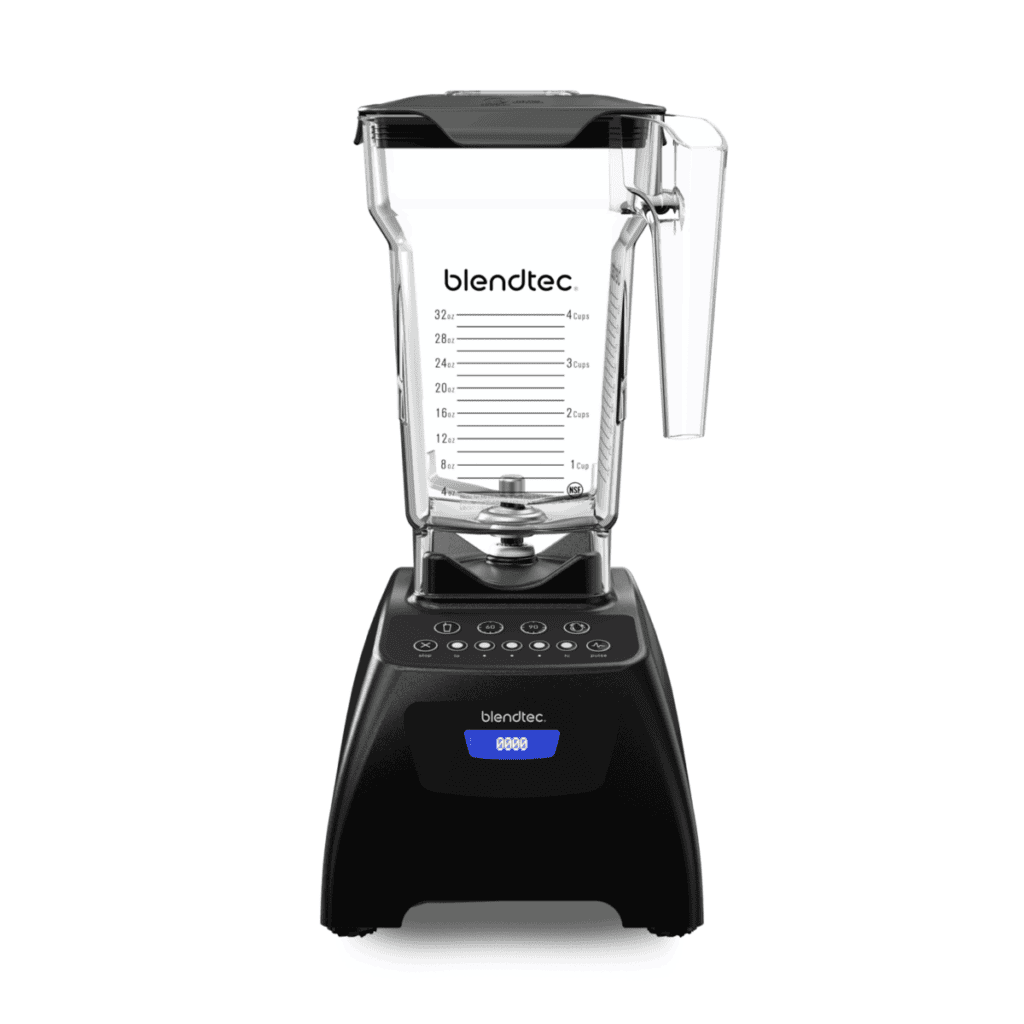
Another blender that comes up often is Blendtec. I haven’t personally used one, but many readers have recommended it, so I wanted to include it as an option.
Price Range
Depending on the model, Blendtec blenders typically range from about $199 to $379.
Performance
From what I’ve heard, Blendtec is very similar to Vitamix in terms of power. Readers say it blends smoothly and handles frozen ingredients really well.
Noise Level
One small complaint is that it can be loud – but in my experience, most high-powered blenders are. The good news is they blend quickly, so you’re usually only running it for a minute or so.
Longevity
Many users report having their Blendtec for 5–7 years, which shows it’s built to last.
Warranty
One thing that really stands out is the warranty. Many Blendtec models come with up to an 8-year warranty, which is comparable to Vitamix and shows they stand behind their product.
(Note: Some models, like the Blendtec Fit, have shorter warranties.)
My Opinion
Even though I haven’t personally owned one, Blendtec seems like a strong, high-quality option and a great alternative to Vitamix. Shop Blendtec on Amazon.
The Best Blender for Smoothies (My Honest Reccomendation)
Like I mentioned earlier, based on my personal experience making smoothies since 2013, I truly believe that Vitamix is the best blender for smoothies.
And it’s not just me – based on conversations with my readers, they think so too.
What people love most about Vitamix is the power. You can throw in frozen fruit, ice, greens – pretty much anything – and it blends everything into a smooth, creamy texture with no chunks.
Another big thing is longevity. Most Vitamix owners I’ve talked to have had theirs for 6–7+ years (or longer) with no issues. That’s a huge difference compared to lower-cost blenders.
Yes, they are more expensive, typically ranging from $349 to $599, but you truly get what you pay for.
Vitamix also offers different models and container sizes depending on your needs. For example:
- The Vx1 and legacy 5200 have larger 64-ounce containers
- The Ascent Series offers a shorter, wider 48-ounce container if storage space is a concern
- The Propel Series has simple controls and 48 – 64 ounce containers.
They also offer more advanced “smart” models with extra features, but in my opinion, those aren’t necessary for most people.
Warranty (And Why It Matters)
One of the biggest things that sets Vitamix apart is their warranty. Most models come with a full 5–10 year warranty, depending on the blender. That means if something breaks from normal use, they will repair or replace it.
That kind of guarantee gives you peace of mind when you’re making a bigger investment.
And honestly, what’s kind of funny is that most people – including myself – never even need to use the warranty because these blenders are built so well.
Just to say it again: I’ve been using the same Vitamix since 2013, almost daily, and I have never had a single issue or needed to use the warranty.
Final Thoughts
If you’re planning to make smoothies regularly, investing in a high-quality blender really does make a difference.
While there are some great options at different price points, if you want something that’s powerful, reliable, and built to last for years, I truly believe Vitamix is the best choice.
I’d love to hear from you – what blender do you use and love?

Willie says
Maybe a different model would have worked better for you? I’m glad you still love your VitaMix. I really wanted to love it because of all the great things I heard about it, but, alas, no such luck.
Rrronin says
I experienced simple smoothies for the first time in Key West, FL, in the ’70s.
Like most people, I went through many not very long lasting blenders, including a Ninja model that was so poorly designed that the liquid could easily get into the motor, yuk!
I tried the Noja model with multiple blades on a center mounted vehicle shaft that was only okay, and dangerous bc the shaft with the blades was not attached
After seeing a Vitamix rep liquify a very hard Avocado pit, I finally ecuded to soend the $ and picked up my first of many Vitamix models.
All have been 100% reliable, the first one had the taller container that didn’t fit under the kitchen cabinets, so I sold it and bought an E310 model with the shorter container.
Vitamix blades are very efficient forged steel, clean up is simply a drop of dish soap and water in the container on high speed for about 30 seconds…done!
None of the other machines I’ve used even come close the Vitamix, which is consistently top rated by Consumer Reports
I like the simplicity of the E310 v the much more expensive A3500 model that I was considering that has a 10 year warranty.
I use Novus 2 plastic polish to clean light scratches on the inside of the EOA free container, great product.
The Vitamix Warranty includes shipping both ways, a big plus.
Consider that Vitamix is made in USA, has sold more than 4 million machines, but only has 4 repair techs. Pretty much speaks volumes!
Avraham says
I have used several blenders including the Nutrininja Pro. My first one gave out after 15 months, so I bought another one, which also pooped out after 15 months. Then I bought an Oster Pro 1200, which is an EXCELLENT smoothie maker for about $60. It has a glass jar, a great warranty on the motor, and makes far better smoothies than the much more expensive Oster Versa. The Pro 1200 has three speeds and three presets.
In spite of having great results with the Oster, in December 2017, Amazon had a one-week sale on Blendtec Total Classic blenders for $165, about half of their regular price. It is a superb machine with 10 speeds and six presets; and if you add the optional twister jar along with the regular jar that comes with the blender, you have the world’s fastest blender for making nut butters.
Finally, last November I saw the Vitamix E310 on sale for about $325, and I couldn’t resist. Although I still love my Blendtec and use it once about every two weeks, the Vitamix E310 is a superior smoothie maker for those of us that make a smoothie every single day.
Incidentally, today the Blendtec Total Blender Classic is actually more expensive than the Vitamix E310. The E310 doesn’t have the presets that the Blendtec has, but with the E310 you can make fantastic smoothies in about 1/2 a minute without the presets. Therefore, the E310 is my recommendation for serious smoothie makers.